


Most people hear the word Botox® and picture smoother foreheads and softer frown lines. That is not wrong, but it is incomplete. A growing number of patients visiting our office are asking about Botox® in Birmingham, AL, for reasons unrelated to wrinkles, including jaw pain that has resisted nightguards, physical therapy, and over-the-counter pain relievers.
How Botox® Actually Works in the Jaw
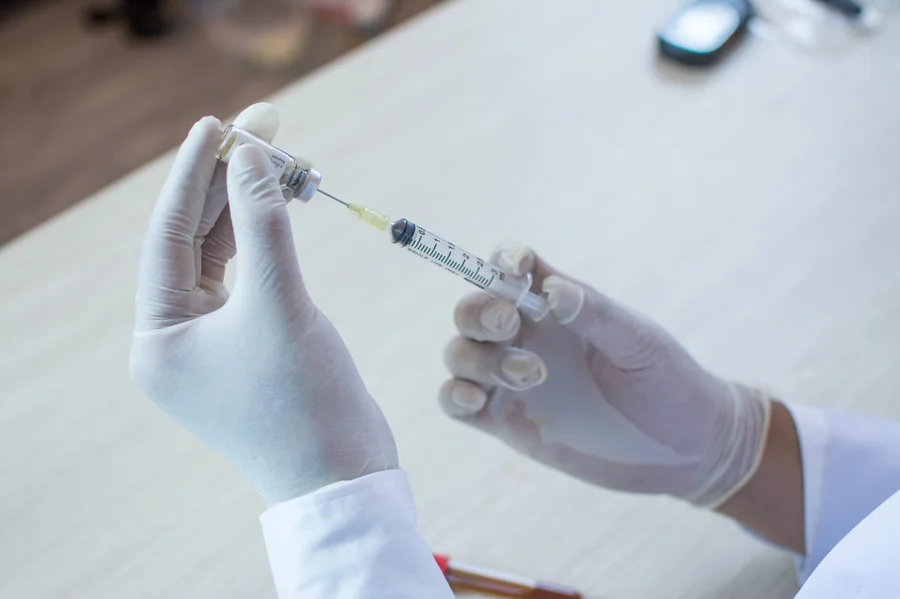
Botox® works by temporarily blocking the nerve signals that tell a muscle to contract. In cosmetic use, that means the small muscles around the forehead and eyes relax enough that fine lines soften. The same mechanism applies just as well to the larger, stronger muscles involved in chewing, which is why dentists have started using it for reasons that go well beyond appearance.
The masseter and temporalis, the muscles that clench and grind, do far more work every day than most people realize. When those muscles are chronically overactive, whether from stress, an uneven bite, or a habit of clenching during sleep, the strain does not stay contained to the jaw. It radiates outward into the temples, the neck, and often the head itself.
For a closer look at how Botox® fits into a broader treatment plan, our full-service overview covers the safety questions patients ask most often.
Three Medical Uses Beyond Cosmetic
TMJ disorders are one of the clearest examples, and they are one of the more common reasons patients search for Botox® in Birmingham, AL, in the first place. Jaw pain, clicking, and a locked or restricted jaw often trace back to muscle tension around the joint rather than damage to the joint structure itself. Injecting Botox® directly into the overactive muscles reduces that tension, which can ease pain without surgery or a long recovery process.
Tension headaches follow a similar pattern, since the same muscles that clench the jaw connect to areas of the head and neck tied to recurring headache pain. The FDA has approved Botox® specifically for chronic migraine prevention in adults who experience headaches on most days of the month, using a defined injection protocol across the head and neck.
Its use for jaw-related tension headaches works on a related principle, though it is an off-label application rather than a separately FDA-approved use, worth knowing before starting treatment. Jaw muscle strain from bruxism, the medical term for grinding and clenching, is the third area where this treatment shows up in dentistry.
Our TMJ treatment approach still starts with a nightguard as the standard first step for protecting teeth from the physical wear of grinding, but that alone does not address the muscle overactivity itself. Botox® works differently by reducing how forcefully those muscles can contract in the first place, which is why some patients use both approaches together rather than choosing one over the other.
A few signs suggest jaw-focused Botox® might be worth discussing at a comprehensive dental exam.
- Frequent jaw clicking, popping, or a feeling that the jaw locks briefly
- Morning headaches or a sore jaw that shows up right after waking
- Visible wear on teeth from grinding that a nightguard alone has not stopped
- Tension headaches that seem to originate from the temples or jawline
- Jaw pain that has not improved with over-the-counter pain relievers or a nightguard
For a broader look at the full range of options, our guide to TMJ treatment methods walks through everything from lifestyle changes to surgery, with Botox® as one piece of that picture.
What Makes This Different From Cosmetic Botox®
What makes this different from cosmetic Botox® is really just the target. The injection sites shift from the muscles around the eyes and forehead to the masseter and temporalis, and the doses used for the jaw muscles tend to be higher than those typically used for smoothing wrinkles.
The underlying drug and its mechanism stay the same, which is part of why patients already comfortable with cosmetic Botox® in Birmingham, AL, often find the jaw-focused version an easy next step to understand.
Beyond Wrinkles: Talk to Us About Botox® in Birmingham, AL
If jaw pain, clenching, or recurring tension headaches have not responded to more conservative treatment, it may be worth asking whether Botox® in Birmingham, AL could help. Dr. Church and the team at Church Family Dental can walk you through whether this approach fits your specific situation.
Contact us today to schedule a consultation.


